
Feeling Flat After the Holidays? Here’s What Your Brain Is Trying to Tell You
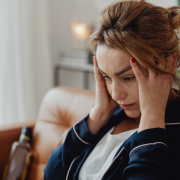
The holidays are over, the decorations are packed away, and suddenly… everything feels a little flat. If you’re feeling low, unmotivated, or craving comfort foods, you’re not alone. Many people experience a post-holiday mood dip.
Your brain chemistry, hormones, light exposure, and even gut health all play a role in how you feel this time of year. Understanding these connections can help you restore balance naturally and start the new year feeling grounded and clear-minded.
The “Post-Holiday Crash” Is Real
During the holidays, your brain and body are running on excitement, novelty, and social connection. all of which increase dopamine, your “motivation and reward” neurotransmitter. When the season ends, dopamine levels can temporarily drop, leaving you feeling less energized or inspired.
At the same time, shorter daylight hours can reduce serotonin production, the neurotransmitter that helps regulate mood, sleep, and calmness. This combination often leads to what’s commonly called the winter blues or Seasonal Affective Disorder (SAD) — a type of depression linked to light and circadian rhythm changes.
Your Mood Messengers: Serotonin and Dopamine
Your mood depends on a delicate balance between neurotransmitters, especially serotonin and dopamine.
Serotonin
Serotonin is your body’s natural “feel-good” chemical. It supports emotional stability, restful sleep, and a sense of calm. Because serotonin is made from the amino acid tryptophan, and about 90% is produced in the gut, both nutrition and gut health strongly influence how much your body can make.
When serotonin levels dip, you might notice:
- Sadness or moodiness
- Trouble sleeping
- Increased sugar or carb cravings
- Feeling emotionally “flat”
Dopamine
Dopamine fuels motivation, focus, and pleasure. During the holidays, socializing, gift-giving, and festive foods all boost dopamine. When those activities stop, levels can drop, leading to fatigue, lack of drive, or “blah” feelings.
A low-dopamine pattern can look like:
- Low motivation or focus
- Fatigue or apathy
- Difficulty feeling pleasure
- Craving stimulation (sugar, caffeine, screens)
When both serotonin and dopamine are low, your brain can feel like it’s running on empty.
Light and Circadian Triggers
Winter months mean shorter days, less sunlight, and more time indoors. That matters because light exposure regulates serotonin and melatonin, two hormones that directly affect your mood and sleep-wake cycle.
Less daylight can reduce serotonin and increase melatonin, leading to fatigue and lower mood. Disrupted circadian rhythms also affect dopamine signaling, making motivation harder to sustain.
6 Natural Ways to Support Your Brain Chemistry
You can absolutely support your mood and brain chemistry through natural, functional strategies, and many of them are simple daily habits.
1. Get Morning Light
Light therapy or even 10–20 minutes of natural sunlight exposure in the morning helps regulate circadian rhythm, boost serotonin, and reduce winter low mood.
2. Eat to Feed Your Brain
Your brain needs amino acids, vitamins, and minerals to make neurotransmitters:
- For serotonin: foods rich in tryptophan (turkey, eggs, salmon, oats, seeds).
- For dopamine: sources of tyrosine and phenylalanine (chicken, fish, legumes, nuts).
- Include B-vitamins, magnesium, zinc, and omega-3 fats, which are essential cofactors for neurotransmitter production.
3. Move and Rest Your Nervous System
Exercise boosts dopamine and serotonin while lowering cortisol, your main stress hormone. Combine this with mindful rest: yoga, breathwork, or simply time away from screens can calm the nervous system and restore balance.
4. Protect Your Sleep
Good sleep restores neurotransmitter levels. Aim for 7–9 hours nightly, reduce blue light at night, and create a relaxing bedtime routine.
5. Support Your Gut Health
A balanced microbiome helps regulate serotonin production and inflammation. Include fermented foods like sauerkraut, kefir, or kimchi, and plenty of fiber to feed beneficial bacteria.
6. Stay Connected and Engaged
Connection boosts dopamine and oxytocin, powerful mood stabilizers. Plan meaningful social time, volunteer, or start a hobby that excites you. These experiences literally re-ignite your brain’s reward pathways.
When to Look Deeper: Functional Testing Options
If your mood remains low, or you’ve noticed persistent fatigue or loss of motivation, functional testing can uncover what’s out of balance. Testing doesn’t replace care, it personalizes it.
- Neurotransmitter testing: to measure serotonin, dopamine, and GABA metabolites.
- Vitamin D levels: deficiency is linked with depression and low serotonin activity.
- Micronutrient testing: for B-vitamins, magnesium, zinc, and iron, all vital for mood chemistry.
- Cortisol/adrenal rhythm testing: to evaluate how stress affects mood regulation.
- Gut or microbiome testing: to explore how gut health may be influencing neurotransmitter production.
Feeling low after the holidays doesn’t mean you’ve lost your motivation or joy, it simply means your body is finding its new rhythm. Support your nervous system, nourish your brain chemistry, and let your energy return naturally. If it doesn’t, functional testing and individualized care can help uncover what your body needs most.
Sources:
Inagaki, T. K., & Eisenberger, N. I. (2016). Giving support to others reduces sympathetic nervous system-related responses to stress. Psychophysiology, 53(4), 427–435.
Jenkins, T. A., Nguyen, J. C., Polglaze, K. E., & Bertrand, P. P. (2016). Influence of tryptophan and serotonin on mood and cognition with a possible role of the gut-brain axis. Nutrients, 8(1), 56.
Lam, R. W., Levitt, A. J., Levitan, R. D., Enns, M. W., Morehouse, R., Michalak, E. E., & Tam, E. M. (2016). Efficacy of bright light treatment, fluoxetine, and the combination in patients with nonseasonal major depressive disorder. JAMA Psychiatry, 73(1), 56–63.
Lopresti, A. L., Hood, S. D., & Drummond, P. D. (2013). A review of lifestyle factors that contribute to important pathways associated with major depression: Diet, sleep and exercise. Journal of Affective Disorders, 148(1), 12–27.
McClung, C. A. (2013). How might circadian rhythms control mood? Let me count the ways… Biological Psychiatry, 74(4), 242–249.
Meeusen, R., & De Meirleir, K. (1995). Exercise and brain neurotransmission. Sports Medicine, 20(3), 160–188.
Strandwitz, P. (2018). Neurotransmitter modulation by the gut microbiota. Brain Research, 1693(Pt B), 128–133.